

30-Day Calisthenics Diet Plan for Beginners: What to Eat for Results
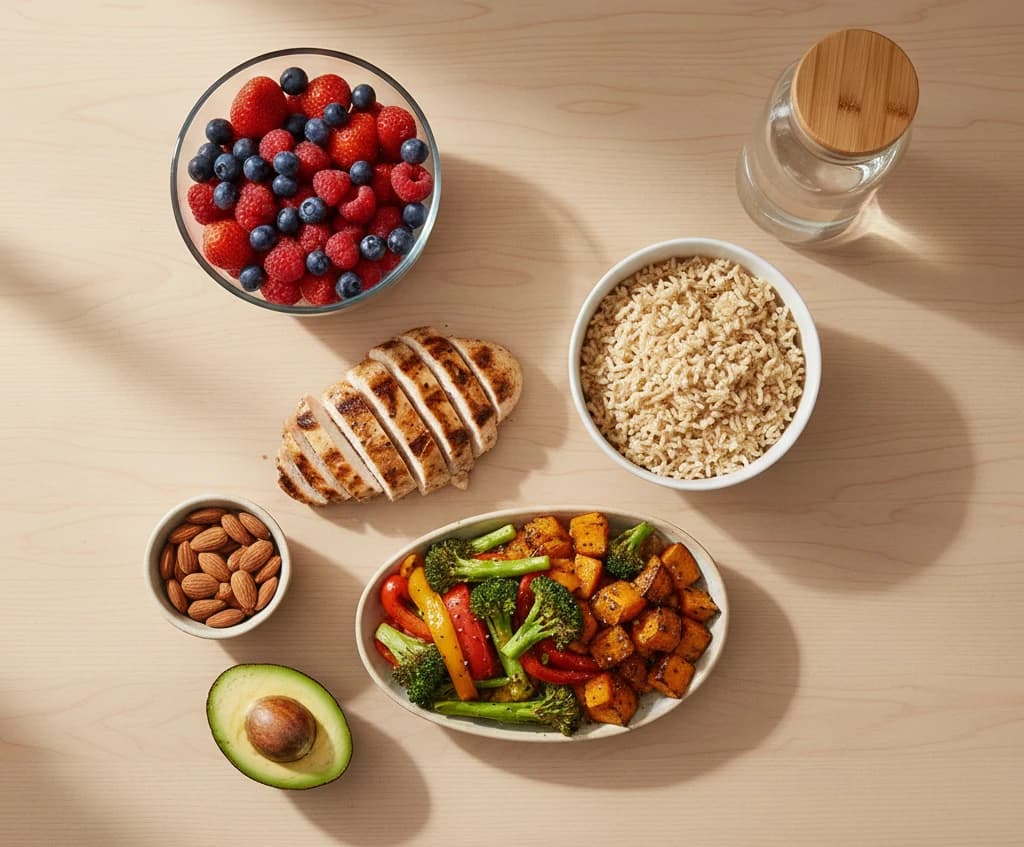
Why Nutrition Matters for Calisthenics
You can follow the best training program in the world and still see disappointing results if your nutrition is off. For bodyweight athletes, food is not just fuel. It is the raw material your body uses to build muscle, repair connective tissue, and sustain the energy you need for push-ups, pull-ups, and squats.
If you are following our 30-Day Beginner Program, this calisthenics diet plan is designed to work alongside it. The training breaks your muscles down. The food you eat builds them back stronger. Without adequate nutrition, you are doing the hard part (training) and skipping the part that delivers the actual results (recovery and growth).
This guide gives you everything you need: daily calorie and macro targets, complete meal plans for every day of the week, pre and post-workout nutrition strategies, a grocery shopping list, and practical meal prep tips that save you time. No complicated supplements. No restrictive fad diets. Just straightforward, evidence-based nutrition for beginners.
How to Calculate Your Daily Calorie Target
Before you follow any meal plan, you need to know how many calories your body requires. This number depends on your age, weight, height, sex, and activity level.
Step 1: Find Your Basal Metabolic Rate (BMR)
Your BMR is the number of calories your body burns at complete rest. Use the Mifflin-St Jeor equation, which research has shown to be the most accurate for the general population:
- Men: BMR = (10 x weight in kg) + (6.25 x height in cm) - (5 x age in years) + 5
- Women: BMR = (10 x weight in kg) + (6.25 x height in cm) - (5 x age in years) - 161
Step 2: Apply Your Activity Multiplier
Multiply your BMR by the factor that matches your lifestyle:
| Activity Level | Multiplier | Description |
|---|---|---|
| Sedentary | 1.2 | Desk job, no exercise outside calisthenics |
| Lightly active | 1.375 | Light walking plus calisthenics 3x/week |
| Moderately active | 1.55 | Active job or calisthenics plus cardio |
| Very active | 1.725 | Physical job plus daily training |
This gives you your Total Daily Energy Expenditure (TDEE), the number of calories you need to maintain your current weight.
Step 3: Adjust for Your Goal
| Goal | Calorie Adjustment | Expected Result |
|---|---|---|
| Fat loss | TDEE minus 300-500 calories | Lose 0.25-0.5 kg per week |
| Muscle gain | TDEE plus 200-300 calories | Gain 0.1-0.25 kg per week |
| Body recomposition | Eat at TDEE | Lose fat and build muscle simultaneously |
Example: A 75 kg, 175 cm, 28-year-old man with a lightly active lifestyle:
- BMR = (10 x 75) + (6.25 x 175) - (5 x 28) + 5 = 750 + 1093.75 - 140 + 5 = 1708.75
- TDEE = 1708.75 x 1.375 = 2349 calories
- Fat loss target = 2349 - 400 = ~1950 calories
- Muscle gain target = 2349 + 250 = ~2600 calories
Macronutrient Targets for Calisthenics Athletes
Calories matter, but where those calories come from matters just as much. Here are the three macronutrients and how to distribute them for bodyweight training nutrition.
Protein: The Foundation
Protein repairs and builds muscle tissue. For calisthenics beginners, aim for:
- Target: 1.6-2.2g per kg of bodyweight per day
- Why this range: Research published in the British Journal of Sports Medicine found that 1.6g/kg is the minimum effective dose for muscle growth, while going above 2.2g/kg provides no additional benefit
- For a 75 kg person: 120-165g protein per day
Best protein sources:
- Chicken breast (31g per 100g)
- Greek yogurt (10g per 100g)
- Eggs (6g per egg)
- Salmon (25g per 100g)
- Lentils (9g per 100g cooked)
- Tofu (8g per 100g)
- Cottage cheese (11g per 100g)
Carbohydrates: Your Training Fuel
Carbs are your body's preferred energy source during calisthenics workouts. Low-carb diets reduce performance in bodyweight training.
- Target: 3-5g per kg of bodyweight per day
- Training days: Aim for the higher end (4-5g/kg)
- Rest days: Aim for the lower end (3-4g/kg)
- For a 75 kg person: 225-375g carbs per day
Best carb sources:
- Oats (66g per 100g dry)
- Brown rice (25g per 100g cooked)
- Sweet potato (20g per 100g)
- Bananas (23g per banana)
- Whole grain bread (40g per 100g)
- Quinoa (21g per 100g cooked)
Fats: Essential for Hormones and Recovery
Dietary fat supports testosterone production, joint health, and nutrient absorption. Do not go too low.
- Target: 0.8-1.2g per kg of bodyweight per day
- For a 75 kg person: 60-90g fat per day
Best fat sources:
- Avocado (15g per avocado)
- Olive oil (14g per tablespoon)
- Almonds (14g per 28g serving)
- Salmon (13g per 100g)
- Eggs (5g per egg)
- Peanut butter (16g per 2 tablespoons)
Quick Macro Reference Table
| Bodyweight | Protein (g) | Carbs (g) | Fat (g) | Approx. Calories |
|---|---|---|---|---|
| 55 kg | 88-121 | 165-275 | 44-66 | 1600-2200 |
| 65 kg | 104-143 | 195-325 | 52-78 | 1900-2600 |
| 75 kg | 120-165 | 225-375 | 60-90 | 2100-2900 |
| 85 kg | 136-187 | 255-425 | 68-102 | 2400-3300 |
| 95 kg | 152-209 | 285-475 | 76-114 | 2700-3700 |
30-Day Calisthenics Meal Plan
This calisthenics meal plan is built around approximately 2200 calories per day, which suits most beginners in a slight deficit or at maintenance. Adjust portion sizes up or down based on your personal calorie target calculated above.
The plan rotates through 7 days of meals, repeated over 4 weeks. This keeps grocery shopping simple while providing enough variety to prevent boredom.
Day 1: Training Day (Upper Body)
Breakfast - Protein Oats (450 cal)
- 80g rolled oats cooked with water or milk
- 1 scoop whey protein (or 150g Greek yogurt)
- 1 banana, sliced
- 10g honey
- Sprinkle of cinnamon
Lunch - Chicken and Rice Bowl (550 cal)
- 150g grilled chicken breast
- 150g cooked brown rice
- 100g steamed broccoli
- 1/2 avocado
- Squeeze of lemon, salt, and pepper
Pre-Workout Snack (200 cal)
- 1 apple
- 20g almonds
Dinner - Salmon with Sweet Potato (600 cal)
- 150g baked salmon
- 200g baked sweet potato
- Mixed green salad with olive oil dressing
- 100g roasted vegetables (bell peppers, zucchini)
Evening Snack (200 cal)
- 200g cottage cheese
- Handful of berries
Daily Totals: ~2000 cal | 155g protein | 210g carbs | 65g fat
Day 2: Rest Day
Breakfast - Scrambled Eggs and Toast (400 cal)
- 3 whole eggs scrambled
- 2 slices whole grain toast
- 1/2 avocado
- Cherry tomatoes
Lunch - Turkey Wrap (500 cal)
- Large whole wheat tortilla
- 120g sliced turkey breast
- Mixed greens, tomato, cucumber
- 30g feta cheese
- Mustard dressing
Snack (200 cal)
- 200g Greek yogurt
- 15g walnuts
Dinner - Beef Stir-Fry (550 cal)
- 130g lean beef strips
- 150g cooked jasmine rice
- Stir-fried vegetables (peppers, snap peas, carrots, onion)
- 1 tablespoon soy sauce
- 1 teaspoon sesame oil
Evening Snack (150 cal)
- 1 banana
- 1 tablespoon peanut butter
Daily Totals: ~1800 cal | 135g protein | 180g carbs | 65g fat
Day 3: Training Day (Lower Body)
Breakfast - Smoothie Bowl (450 cal)
- 1 frozen banana
- 150g frozen mixed berries
- 1 scoop protein powder
- 200ml milk
- Topped with 20g granola and 10g chia seeds
Lunch - Tuna Salad (500 cal)
- 1 can tuna (in water, drained)
- Mixed greens, cucumber, red onion, cherry tomatoes
- 1/2 avocado
- 2 tablespoons olive oil vinaigrette
- 2 slices whole grain bread on the side
Pre-Workout Snack (200 cal)
- 1 rice cake with 2 tablespoons peanut butter
Dinner - Chicken Pasta (650 cal)
- 130g grilled chicken breast
- 80g whole wheat pasta (dry weight)
- Homemade tomato sauce with garlic and basil
- 20g parmesan cheese
- Side salad
Evening Snack (150 cal)
- Protein shake with water
Daily Totals: ~1950 cal | 150g protein | 215g carbs | 60g fat
Day 4: Rest Day
Breakfast - Overnight Oats (400 cal)
- 60g rolled oats
- 200ml milk
- 1 tablespoon chia seeds
- 100g mixed berries
- 10g honey
- Prepared the night before
Lunch - Lentil Soup with Bread (500 cal)
- Large bowl of lentil soup (red or green lentils, carrots, celery, onion, garlic, cumin)
- 1 thick slice of whole grain bread
- Drizzle of olive oil on top
Snack (200 cal)
- 2 boiled eggs
- 1 small apple
Dinner - Greek-Style Chicken (550 cal)
- 150g chicken thigh, baked with lemon and oregano
- 100g roasted potatoes
- Greek salad (tomato, cucumber, onion, olives, feta)
- 1 tablespoon olive oil
Evening Snack (150 cal)
- 150g cottage cheese
- Sprinkle of cinnamon
Daily Totals: ~1800 cal | 130g protein | 195g carbs | 55g fat
Day 5: Training Day (Full Body)
Breakfast - Egg and Veggie Scramble (450 cal)
- 2 whole eggs plus 2 egg whites
- Sauteed spinach, mushrooms, and bell peppers
- 2 slices whole grain toast
- 1/2 avocado
Lunch - Chicken Burrito Bowl (600 cal)
- 150g seasoned grilled chicken
- 150g cooked brown rice
- 80g black beans
- Salsa, lettuce, and corn
- 30g shredded cheese
- Squeeze of lime
Pre-Workout Snack (200 cal)
- 1 banana
- Small handful of trail mix (20g)
Dinner - Baked Cod with Vegetables (500 cal)
- 170g baked cod fillet
- 150g roasted potato wedges
- Steamed green beans and carrots
- Lemon-herb dressing
Evening Snack (200 cal)
- 200g Greek yogurt
- 10g honey
- 10g crushed almonds
Daily Totals: ~1950 cal | 155g protein | 210g carbs | 55g fat
Day 6: Rest Day
Breakfast - Peanut Butter Toast and Fruit (400 cal)
- 2 slices whole grain toast
- 2 tablespoons natural peanut butter
- 1 banana, sliced on top
- Drizzle of honey
Lunch - Quinoa and Chickpea Bowl (500 cal)
- 150g cooked quinoa
- 100g chickpeas
- Roasted sweet potato cubes (100g)
- Cucumber, cherry tomatoes, red onion
- Tahini dressing (1 tablespoon tahini, lemon juice, garlic)
Snack (200 cal)
- Protein bar or 200g Greek yogurt with berries
Dinner - Turkey Meatballs with Rice (550 cal)
- 150g ground turkey, shaped into meatballs
- Homemade tomato sauce
- 150g cooked basmati rice
- Steamed broccoli
Evening Snack (150 cal)
- 1 small handful mixed nuts (25g)
- 1 tangerine
Daily Totals: ~1800 cal | 125g protein | 205g carbs | 60g fat
Day 7: Active Recovery
Breakfast - Pancakes (450 cal)
- 2 protein pancakes (oats, egg, protein powder, baking powder)
- 100g mixed berries
- 10g maple syrup
- 10g crushed walnuts
Lunch - Mediterranean Plate (550 cal)
- 150g grilled chicken breast
- Hummus (3 tablespoons)
- Whole wheat pita bread
- Mixed salad with olive oil
- Cucumber, tomato, olives
Snack (200 cal)
- Rice cake with cottage cheese and sliced cucumber
Dinner - Shrimp Stir-Fry (550 cal)
- 150g shrimp
- 150g cooked noodles (rice or egg noodles)
- Stir-fried vegetables (broccoli, snap peas, carrots, baby corn)
- 1 tablespoon soy sauce
- 1 teaspoon sesame oil
- Garlic and ginger
Evening Snack (150 cal)
- Casein protein shake or 200g Greek yogurt
Daily Totals: ~1900 cal | 145g protein | 205g carbs | 55g fat
Pre-Workout and Post-Workout Nutrition
What you eat around your training sessions in the 30-Day Beginner Program has a direct impact on your performance and recovery.
Pre-Workout: 60-90 Minutes Before Training
Your goal is to fuel your session with easily digestible energy. The ideal pre-workout meal includes:
- Moderate carbs for sustained energy (30-50g)
- Moderate protein to start muscle protein synthesis (15-25g)
- Low fat to avoid sluggish digestion
Quick pre-workout options:
- Banana with a tablespoon of peanut butter
- Rice cake with turkey slices
- Small bowl of oats with berries
- Greek yogurt with a drizzle of honey
- Apple with a handful of almonds
- Whole grain toast with scrambled egg
If training first thing in the morning: You do not need to eat beforehand if you had a solid dinner the night before. However, if you feel low on energy during morning workouts, try eating a banana or a few dates 20-30 minutes before training.
Post-Workout: Within 1-2 Hours After Training
Your body is primed to absorb nutrients after exercise. This is when you want to prioritize protein and carbs to kickstart recovery.
- Protein for muscle repair (25-40g)
- Carbs to replenish glycogen (40-60g)
- Moderate fat is fine (do not avoid it, but do not make it the focus)
Quick post-workout options:
- Protein shake with a banana
- Chicken breast with rice and vegetables
- Eggs on whole grain toast with fruit
- Greek yogurt with granola and berries
- Tuna sandwich on whole wheat bread
- Cottage cheese with pineapple and a rice cake
Important note: The post-workout "anabolic window" is wider than old-school bodybuilding suggested. You do not need to chug a protein shake within 30 seconds of your last set. Eating a balanced meal within 1-2 hours is perfectly effective.
Hydration Guidelines
Water is the most overlooked performance enhancer in calisthenics. Even mild dehydration (2% body weight loss) reduces strength by up to 20% and impairs coordination, both of which directly affect your bodyweight training.
Daily Water Intake
| Bodyweight | Minimum Daily Water | Training Day Water |
|---|---|---|
| 55 kg | 1.8 L | 2.3-2.8 L |
| 65 kg | 2.1 L | 2.7-3.2 L |
| 75 kg | 2.4 L | 3.0-3.5 L |
| 85 kg | 2.7 L | 3.4-3.9 L |
| 95 kg | 3.0 L | 3.8-4.3 L |
Hydration Strategy
- Morning: Drink 500ml of water within the first 30 minutes of waking up. Your body is dehydrated after 7-8 hours of sleep.
- Before training: Drink 300-500ml of water 30 minutes before your workout.
- During training: Sip 150-200ml every 15-20 minutes during your session.
- After training: Drink 500ml within 30 minutes of finishing.
- Throughout the day: Keep a water bottle with you and sip consistently.
Signs of Dehydration
- Dark yellow urine (aim for pale straw color)
- Headaches during or after training
- Muscle cramps
- Fatigue that is not explained by poor sleep
- Feeling thirsty (by this point you are already mildly dehydrated)
Electrolytes: If you train for over 60 minutes or sweat heavily, add a pinch of sea salt and a squeeze of lemon to your water. This is cheaper and more effective than most commercial electrolyte drinks.
Grocery Shopping List
Stock your kitchen with these foods at the start of each week. This list covers everything you need for the meal plan above.
Proteins
- Chicken breast (1 kg)
- Salmon fillets (300g)
- Lean beef or turkey mince (300g)
- Canned tuna (3 cans)
- Shrimp (200g)
- White fish fillets - cod or tilapia (200g)
- Eggs (18 pack)
- Greek yogurt (1 kg)
- Cottage cheese (500g)
- Sliced turkey breast (200g)
- Whey protein powder (if using)
Carbohydrates
- Rolled oats (500g)
- Brown rice (500g)
- Whole wheat pasta (250g)
- Sweet potatoes (4-5 medium)
- Regular potatoes (4-5 medium)
- Whole grain bread (1 loaf)
- Whole wheat tortillas (pack of 6)
- Quinoa (250g)
- Rice cakes (1 pack)
- Bananas (7-8)
- Mixed berries - fresh or frozen (500g)
Fats
- Avocados (3-4)
- Extra virgin olive oil (1 bottle)
- Natural peanut butter (1 jar)
- Almonds (200g)
- Walnuts (100g)
- Mixed nuts (200g)
- Chia seeds (100g)
Vegetables
- Broccoli (2 heads)
- Spinach (200g)
- Bell peppers (4-5, mixed colors)
- Cherry tomatoes (2 punnets)
- Cucumber (3)
- Carrots (1 bag)
- Zucchini (2-3)
- Mushrooms (200g)
- Red onion (3-4)
- Garlic (1 bulb)
- Green beans (200g)
- Mixed salad greens (2 bags)
- Snap peas (200g)
Pantry Staples
- Canned chickpeas (2 cans)
- Canned black beans (1 can)
- Red or green lentils (250g)
- Canned tomatoes (2 cans)
- Soy sauce (low sodium)
- Sesame oil
- Honey
- Hummus (1 tub)
- Feta cheese (100g)
- Parmesan cheese (small block)
- Dried herbs and spices (cumin, oregano, cinnamon, paprika, garlic powder)
Fruits
- Apples (4-5)
- Bananas (7-8, in addition to above if needed)
- Lemons (3-4)
- Tangerines or oranges (4-5)
- Frozen mixed berries (if not buying fresh)
Budget tip: Buy frozen vegetables and berries. They are just as nutritious as fresh, last much longer, and are significantly cheaper. Canned beans and lentils are also an affordable protein source.
Meal Prep Tips for the Week
Spending 1-2 hours on Sunday preparing food will save you 30+ minutes every day during the week and dramatically reduce the temptation to order takeout.
The Sunday Prep Session
Here is a step-by-step plan for weekly meal prep:
1. Cook your proteins in bulk (30 minutes)
- Grill or bake 1 kg of chicken breast seasoned with salt, pepper, garlic, and paprika
- Bake salmon fillets for the first 2-3 days
- Boil 12 eggs (keep them in the shell until ready to eat)
2. Prepare your carbs (20 minutes)
- Cook a large batch of brown rice (enough for 4-5 meals)
- Bake 4-5 sweet potatoes (wrap in foil, bake at 200C for 45 minutes)
- Cook a pot of quinoa
3. Chop and roast vegetables (20 minutes)
- Chop bell peppers, zucchini, broccoli, and carrots
- Roast half of them with olive oil and seasoning
- Store the other half raw for salads and stir-fries
4. Prepare snacks (10 minutes)
- Portion Greek yogurt into containers
- Make overnight oats for 2-3 days
- Portion nuts and trail mix into snack bags
5. Make sauces and dressings (10 minutes)
- Simple vinaigrette: olive oil, lemon juice, salt, pepper, garlic
- Tahini dressing: tahini, lemon juice, water, garlic, salt
Storage Guidelines
| Food | Refrigerator | Freezer |
|---|---|---|
| Cooked chicken | 3-4 days | 3 months |
| Cooked rice | 3-4 days | 1 month |
| Cooked sweet potato | 4-5 days | 3 months |
| Boiled eggs | 5-7 days | Not recommended |
| Chopped raw vegetables | 4-5 days | Not recommended |
| Overnight oats | 2-3 days | Not recommended |
| Cooked salmon | 2-3 days | 2 months |
Mid-Week Refresh
On Wednesday evening, spend 20 minutes:
- Cook fresh protein for Thursday through Sunday (chicken, fish, or turkey)
- Restock chopped vegetables
- Prepare overnight oats for the next 2 days
This two-phase approach means you never eat food that has been in the fridge for more than 3-4 days, keeping everything fresh and safe.
Week-by-Week Nutrition Focus
To keep things manageable, this 30-day plan introduces one nutritional habit each week rather than overhauling your diet all at once.
Week 1: Build the Foundation (Days 1-7)
Focus: Hit your protein target every day.
Protein is the most important macronutrient for calisthenics beginners because it directly supports muscle recovery and growth. Do not worry about perfecting every meal this week. Just make sure every meal and snack contains a protein source.
Weekly checklist:
- Calculate your personal calorie and macro targets
- Follow the meal plan or adapt it to your preferences
- Eat protein at every meal (aim for 25-40g per meal)
- Start drinking at least 2 liters of water per day
- Begin your first Sunday meal prep session
Week 2: Dial in Your Timing (Days 8-14)
Focus: Optimize your pre and post-workout meals.
Now that you are consistently eating enough protein, focus on when you eat relative to your training sessions in the 30-Day Beginner Program.
Weekly checklist:
- Eat a carb-and-protein snack 60-90 minutes before training
- Have a protein-rich meal within 1-2 hours after training
- Increase water intake on training days
- Adjust portions based on how you feel during workouts (low energy = more carbs)
Week 3: Fine-Tune and Adjust (Days 15-21)
Focus: Assess your progress and adjust calories.
Two weeks of data gives you enough information to see if your calorie target is correct.
Weekly checklist:
- Weigh yourself first thing in the morning (same conditions each time)
- Compare your average weight from Week 1 to Week 2
- If losing weight too fast (more than 0.5 kg/week): add 200 calories
- If not losing weight (and fat loss is your goal): reduce by 200 calories
- If gaining strength and weight is stable: you are likely recomposing, keep going
- Try 2-3 new recipes to keep meals interesting
Week 4: Lock in Your Habits (Days 22-30)
Focus: Make your nutrition automatic.
By now, you should have a routine. This week is about reinforcing the habits that will carry you beyond the 30-day program.
Weekly checklist:
- Meal prep has become a weekly habit
- You know your go-to meals for training and rest days
- Hydration is consistent without thinking about it
- You can estimate protein content of common foods without checking labels
- Plan your nutrition for the next phase of training
Foods to Limit (Not Eliminate)
A sustainable calisthenics diet plan does not require you to cut out entire food groups. However, some foods work against your training goals when consumed in excess.
Limit these:
- Sugary drinks (soda, fruit juice, energy drinks) - empty calories with no nutritional benefit
- Highly processed snacks (chips, candy, pastries) - low in protein, easy to overeat
- Alcohol - impairs muscle recovery, disrupts sleep quality, and adds empty calories
- Deep-fried foods - excessive fat that does not support performance
- Large meals right before training - causes sluggishness and digestive discomfort
The 80/20 approach: Eat whole, nutrient-dense foods 80% of the time. The remaining 20% can include foods you enjoy that are not "optimal." This flexibility prevents the diet from feeling like a punishment, which is the number one reason people quit.
Supplements: What You Actually Need
Most supplements are unnecessary if you follow a balanced diet. Here is what is worth considering and what is marketing hype.
Worth Taking
- Whey protein powder - Convenient way to hit your protein target. Not magic, just food in powder form. Use it when you cannot get enough protein from whole foods.
- Creatine monohydrate (3-5g daily) - The most researched supplement in sports science. Improves strength, power output, and recovery. Safe for long-term use.
- Vitamin D (1000-2000 IU daily) - Most people are deficient, especially if you train indoors. Supports bone health, immune function, and muscle recovery.
Probably Unnecessary
- BCAAs - Redundant if you eat enough protein from whole foods
- Pre-workout powders - A cup of coffee provides the same caffeine benefit
- Mass gainers - Just overpriced protein powder with added sugar. Eat real food instead.
- Fat burners - Do not work. A calorie deficit is the only thing that burns fat.
Frequently Asked Questions
Q: Do I need to count calories and macros every day?
A: Not forever, but it helps to track for the first 2-3 weeks so you develop an intuitive understanding of portion sizes. After that, most people can estimate accurately enough without weighing every meal. Use a free app like MyFitnessPal to learn what your portions actually contain.
Q: Can I follow this meal plan if I am vegetarian or vegan?
A: Yes. Replace animal proteins with plant-based alternatives: tofu, tempeh, lentils, chickpeas, black beans, edamame, and seitan. Combine different plant proteins throughout the day to get all essential amino acids. You may also want to read our guide on vegan diet and calisthenics for more specific meal ideas.
Q: How much protein do I really need for calisthenics?
A: Research consistently supports 1.6-2.2g per kg of bodyweight per day for people doing resistance training. For a 70 kg person, that is 112-154g per day. Spread this across 3-4 meals for optimal absorption.
Q: What if I cannot afford all the foods on the grocery list?
A: Focus on affordable staples: eggs, canned tuna, frozen chicken thighs, oats, rice, frozen vegetables, bananas, and canned beans. These cover all your nutritional needs at a fraction of the cost. You do not need salmon and avocado every day.
Q: Should I eat differently on rest days versus training days?
A: Slightly. On rest days, reduce your carb intake by 30-50g and keep protein the same. Your body still needs protein for recovery on rest days. The meal plan above already accounts for this difference.
Q: Can I drink coffee on this plan?
A: Yes. Black coffee or coffee with a small amount of milk is fine and can even enhance training performance. Avoid high-calorie coffee drinks loaded with sugar and cream. Limit caffeine to 400mg per day (roughly 4 cups of coffee) and stop drinking it at least 6 hours before bed to protect your sleep quality.
Q: I am not losing weight. What should I do?
A: First, make sure you are actually tracking your intake accurately. Most people underestimate calories by 20-30%. Second, weigh food with a kitchen scale for one week to calibrate your portions. If you are genuinely eating in a deficit and not losing weight after 2-3 weeks, reduce your daily intake by another 200 calories.
Q: What should I eat right before a morning workout?
A: If you train within 30 minutes of waking up, a banana or a few dates is enough. If you have 60-90 minutes before training, have a small breakfast like oats with a scoop of protein powder. Some people train fasted with no issues. Experiment and see what works best for your body.
Your Nutrition Plan Starts Today
You now have everything you need to fuel your 30-Day Beginner Calisthenics Program with the right nutrition. A complete calorie and macro framework, 7 days of practical meal plans, a grocery list you can take to the store today, and a week-by-week focus that builds sustainable habits.
Remember these three principles:
- Protein at every meal. This is the single most impactful change you can make for your calisthenics results.
- Eat enough to train hard. Undereating sabotages your workouts just as much as overeating slows your progress.
- Consistency over perfection. Following a good plan 90% of the time beats following a perfect plan 50% of the time.
Start with one week of the meal plan. Do one Sunday prep session. Track your food for a few days to learn your portions. These small steps add up to transformative results over 30 days.
Your body is already doing the hard work of adapting to your calisthenics training. Give it the fuel it needs, and the results will follow.