

Vegan Meal Plan for Calisthenics: Build Muscle and Perform on Plants
Why a Vegan Diet Works for Calisthenics
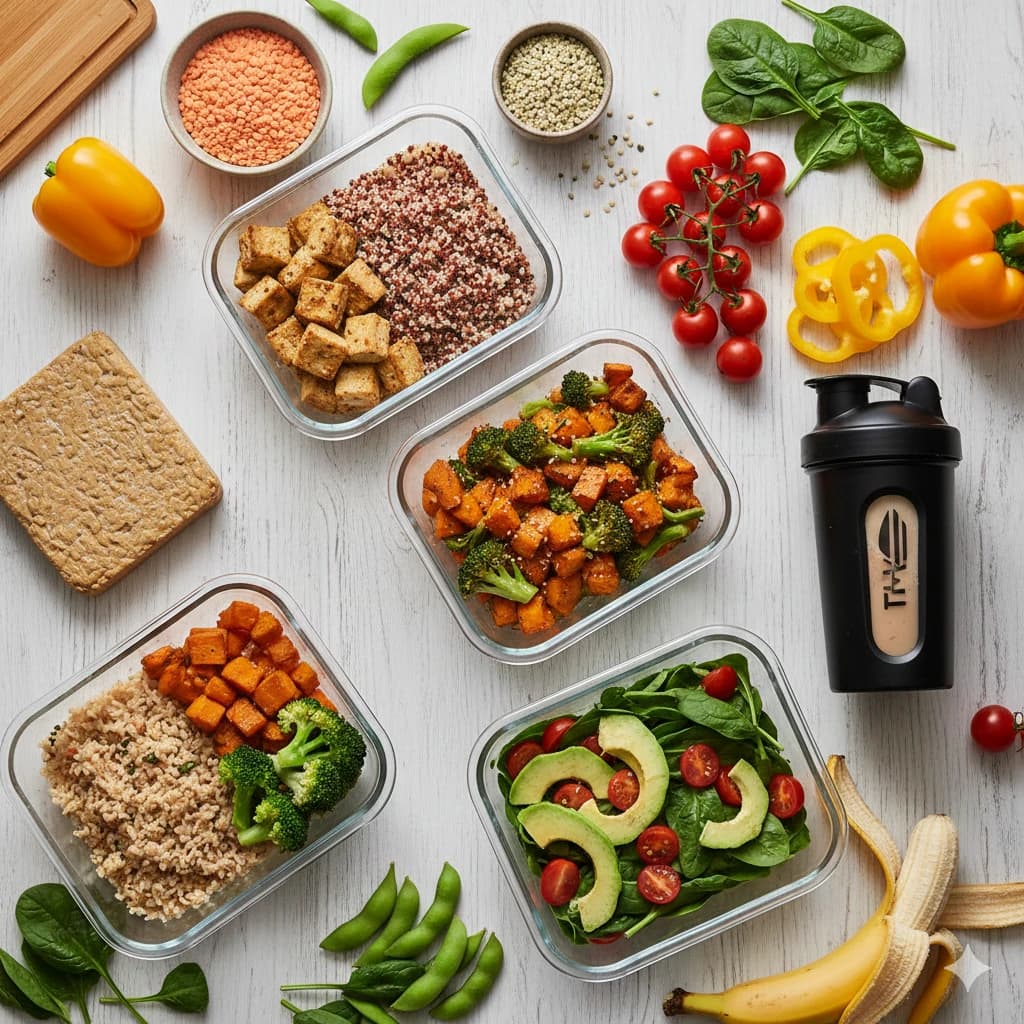
There is a persistent myth that you need animal products to build muscle and perform at a high level. Research says otherwise. A well-planned vegan calisthenics diet provides everything your body needs to build strength, recover from training, and progress through bodyweight skills.
Plant-based athletes across multiple sports have demonstrated that you can achieve elite-level performance without meat, dairy, or eggs. For calisthenics specifically, a vegan diet offers several advantages:
- Lower inflammation: Plant foods are rich in antioxidants and anti-inflammatory compounds, which means faster recovery between sessions
- Higher carbohydrate quality: Whole grains, legumes, and fruits provide sustained energy for long training sessions
- Better digestion: High-fiber plant foods support gut health and nutrient absorption
- Leaner body composition: Plant-based diets tend to be lower in calorie density, making it easier to stay lean while building strength
If you are already following our 30-Day Calisthenics Diet Plan and want to adapt it for a fully plant-based approach, this guide gives you everything you need. If you are new to calisthenics entirely, pair this nutrition plan with our 30-Day Beginner Program for a complete training and nutrition system.
Vegan Protein Sources for Muscle Building
Protein is the biggest concern for any athlete considering a plant-based diet. The good news is that there are plenty of high-protein vegan foods that support muscle growth and recovery. The key is knowing which ones to prioritize and how to combine them.
Top Vegan Protein Sources
| Food | Protein per 100g | Calories per 100g | Key Nutrients |
|---|---|---|---|
| Seitan | 25g | 150 | Iron, selenium |
| Tempeh | 19g | 192 | Probiotics, manganese |
| Tofu (firm) | 17g | 144 | Calcium, iron |
| Edamame | 11g | 121 | Complete protein, folate |
| Lentils (cooked) | 9g | 116 | Iron, fiber, folate |
| Chickpeas (cooked) | 9g | 164 | Fiber, manganese |
| Black beans (cooked) | 9g | 132 | Fiber, magnesium |
| Quinoa (cooked) | 4.4g | 120 | Complete protein, iron |
| Nutritional yeast | 50g | 325 | B vitamins, zinc |
| Hemp seeds | 31g | 553 | Omega-3, magnesium |
| Pumpkin seeds | 30g | 559 | Zinc, magnesium |
| Peanut butter | 25g | 588 | Vitamin E, niacin |
Complete vs. Incomplete Proteins
Most plant proteins are missing one or more essential amino acids. This is not a problem as long as you eat a variety of protein sources throughout the day. You do not need to combine them in the same meal.
Complementary protein pairings:
- Rice + beans (a classic combination that covers all amino acids)
- Hummus + whole wheat pita
- Lentil soup + whole grain bread
- Tofu stir-fry + quinoa
- Peanut butter + oat porridge
Complete plant proteins (contain all essential amino acids on their own):
- Soy products (tofu, tempeh, edamame)
- Quinoa
- Hemp seeds
- Buckwheat
- Nutritional yeast
How Much Protein Do You Need?
For calisthenics athletes, aim for 1.6-2.2g of protein per kg of bodyweight per day. This is the same recommendation as for any resistance-training athlete, regardless of diet type.
| Bodyweight | Daily Protein Target | Example Distribution |
|---|---|---|
| 55 kg | 88-121g | 4 meals x 22-30g |
| 65 kg | 104-143g | 4 meals x 26-36g |
| 75 kg | 120-165g | 4 meals x 30-41g |
| 85 kg | 136-187g | 4 meals x 34-47g |
Practical tip: Getting above 140g of protein per day on a whole-food vegan diet requires deliberate planning. A vegan protein powder (pea, rice, or soy-based) makes hitting your target significantly easier. One or two scoops per day can add 40-60g of protein without much effort.
7-Day Vegan Calisthenics Meal Plan
This meal plan provides approximately 2200 calories per day with 130-150g of protein, suitable for most calisthenics athletes at maintenance or in a slight deficit. Adjust portions based on your personal calorie target.
Every meal is designed to be realistic and easy to make. No exotic ingredients, no complicated techniques. Just straightforward plant-based calisthenics nutrition.
Day 1: Training Day (Upper Body)
Breakfast - Protein Oats (450 cal)
- 80g rolled oats cooked with 200ml soy milk
- 1 scoop vegan protein powder (pea or soy blend)
- 1 banana, sliced
- 1 tablespoon ground flaxseed
- Sprinkle of cinnamon
Lunch - Chickpea and Quinoa Bowl (550 cal)
- 150g cooked quinoa
- 150g canned chickpeas, rinsed
- 100g roasted sweet potato cubes
- Handful of spinach
- 1/4 avocado
- Lemon tahini dressing (1 tablespoon tahini, lemon juice, garlic)
Pre-Workout Snack (200 cal)
- 1 apple
- 2 tablespoons peanut butter
Dinner - Tempeh Stir-Fry (600 cal)
- 150g tempeh, sliced and pan-fried with tamari
- 150g cooked brown rice
- Stir-fried broccoli, bell peppers, and snap peas
- 1 teaspoon sesame oil
- Garlic and ginger
Evening Snack (200 cal)
- Protein shake: 1 scoop vegan protein, 200ml oat milk
- 10g pumpkin seeds
Daily Totals: ~2000 cal | 140g protein | 230g carbs | 60g fat
Day 2: Rest Day
Breakfast - Tofu Scramble (400 cal)
- 200g firm tofu, crumbled and seasoned with turmeric, nutritional yeast, black salt, and garlic powder
- 1 slice whole grain toast
- Sauteed spinach and cherry tomatoes
- 1/2 avocado
Lunch - Lentil Soup (450 cal)
- Large bowl of red lentil soup (red lentils, carrots, celery, onion, garlic, cumin, smoked paprika)
- 1 thick slice of whole grain bread
- Drizzle of olive oil
Snack (200 cal)
- 200g soy yogurt
- Handful of mixed berries
- 1 tablespoon hemp seeds
Dinner - Black Bean Tacos (550 cal)
- 3 small corn tortillas
- 150g seasoned black beans (cumin, chili powder, lime)
- Shredded lettuce, diced tomato, red onion
- Guacamole (1/4 avocado mashed with lime and salt)
- Hot sauce
Evening Snack (150 cal)
- 1 banana
- 1 tablespoon almond butter
Daily Totals: ~1750 cal | 110g protein | 195g carbs | 55g fat
Day 3: Training Day (Lower Body)
Breakfast - Smoothie Bowl (450 cal)
- 1 frozen banana
- 150g frozen mixed berries
- 1 scoop vegan protein powder
- 200ml soy milk
- Topped with 20g granola, 1 tablespoon chia seeds, and sliced almonds
Lunch - Tofu Buddha Bowl (550 cal)
- 150g baked tofu (marinated in tamari and sriracha)
- 150g cooked brown rice
- Steamed broccoli and edamame (80g shelled)
- Pickled red cabbage
- Drizzle of peanut sauce
Pre-Workout Snack (200 cal)
- 2 rice cakes with 2 tablespoons peanut butter
Dinner - Lentil Pasta (600 cal)
- 80g red lentil pasta (dry weight)
- Homemade tomato sauce with garlic, basil, and mushrooms
- 100g crumbled tempeh cooked into the sauce
- Side salad with olive oil dressing
- 2 tablespoons nutritional yeast on top
Evening Snack (200 cal)
- Protein shake with water
- 1 small handful of walnuts (15g)
Daily Totals: ~2000 cal | 145g protein | 220g carbs | 55g fat
Day 4: Rest Day
Breakfast - Overnight Oats (400 cal)
- 60g rolled oats
- 200ml oat milk
- 1 tablespoon chia seeds
- 1 scoop vegan protein powder
- 100g mixed berries
- Prepared the night before
Lunch - Hummus and Falafel Wrap (500 cal)
- Large whole wheat tortilla
- 4 baked falafel (homemade or store-bought)
- 3 tablespoons hummus
- Mixed greens, cucumber, tomato, red onion
- Drizzle of tahini
Snack (200 cal)
- 1 apple
- 20g mixed nuts
Dinner - Chickpea Curry (550 cal)
- 200g canned chickpeas
- Coconut milk-based curry sauce (use light coconut milk)
- Spinach, tomatoes, onion, garlic, ginger
- Spices: turmeric, cumin, coriander, garam masala
- 100g cooked basmati rice
Evening Snack (150 cal)
- 200g soy yogurt with cinnamon
Daily Totals: ~1800 cal | 115g protein | 210g carbs | 50g fat
Day 5: Training Day (Full Body)
Breakfast - Peanut Butter Banana Toast (450 cal)
- 2 slices whole grain bread
- 2 tablespoons peanut butter
- 1 banana, sliced
- 1 tablespoon hemp seeds
- Drizzle of maple syrup
Lunch - Seitan and Vegetable Bowl (600 cal)
- 150g seitan, sliced and pan-fried
- 150g cooked quinoa
- Roasted bell peppers, zucchini, and red onion
- 2 tablespoons hummus
- Fresh lemon juice and herbs
Pre-Workout Snack (200 cal)
- Smoothie: 1 banana, 200ml soy milk, 1 tablespoon oats
Dinner - Bean Chili (600 cal)
- Mixed bean chili (kidney beans, black beans, pinto beans)
- Diced tomatoes, bell peppers, onion, garlic
- Cumin, chili powder, smoked paprika
- 100g cooked brown rice
- 1/4 avocado on top
- 2 tablespoons nutritional yeast
Evening Snack (200 cal)
- Protein shake: 1 scoop vegan protein, 200ml oat milk
Daily Totals: ~2050 cal | 150g protein | 235g carbs | 55g fat
Day 6: Rest Day
Breakfast - Chia Pudding (400 cal)
- 3 tablespoons chia seeds soaked in 250ml almond milk overnight
- 1 scoop vegan protein powder stirred in
- Topped with 100g mango chunks and 10g coconut flakes
- Drizzle of maple syrup
Lunch - Mediterranean Plate (500 cal)
- 150g cooked lentils
- 3 tablespoons hummus
- Whole wheat pita bread
- Diced cucumber, tomato, and red onion salad
- Kalamata olives
- Drizzle of olive oil and lemon juice
Snack (150 cal)
- 1 rice cake with almond butter and sliced banana
Dinner - Tofu and Noodle Stir-Fry (550 cal)
- 150g firm tofu, cubed and pan-fried
- 100g soba noodles or rice noodles
- Stir-fried bok choy, mushrooms, carrots, and snap peas
- Sauce: tamari, rice vinegar, sesame oil, garlic, ginger
- Topped with sesame seeds and sliced spring onion
Evening Snack (150 cal)
- 200g soy yogurt with a handful of berries
Daily Totals: ~1750 cal | 115g protein | 195g carbs | 50g fat
Day 7: Active Recovery
Breakfast - Vegan Protein Pancakes (450 cal)
- Pancake batter: oat flour, 1 scoop protein powder, baking powder, soy milk
- 100g mixed berries on top
- 1 tablespoon maple syrup
- 10g crushed walnuts
Lunch - Big Salad with Tempeh (550 cal)
- 150g marinated baked tempeh
- Mixed greens, cucumber, cherry tomatoes, shredded carrots, red cabbage
- 80g cooked quinoa
- Pumpkin seeds (15g)
- Balsamic vinaigrette
Snack (200 cal)
- Smoothie: frozen banana, 1 tablespoon peanut butter, 200ml oat milk, handful of spinach
Dinner - Stuffed Bell Peppers (550 cal)
- 2 large bell peppers stuffed with:
- Brown rice and black bean mixture
- Corn, diced tomatoes, cumin, cilantro
- Topped with cashew cream or avocado slices
- Side salad
Evening Snack (150 cal)
- Protein shake with water
Daily Totals: ~1900 cal | 130g protein | 220g carbs | 50g fat
How to Hit Your Protein Targets Without Animal Products
Getting enough protein is the most common challenge on a vegan bodyweight training nutrition plan. Here are practical strategies that work.
Strategy 1: Anchor Every Meal Around a Protein Source
Before you think about carbs, fats, or vegetables, decide on your protein first. Each meal should contain at least one of these:
- Breakfast: Tofu scramble, protein powder in oats, soy yogurt, hemp seeds
- Lunch: Lentils, chickpeas, tempeh, seitan, edamame
- Dinner: Tofu, tempeh, seitan, bean-based dishes
- Snacks: Protein shake, peanut butter, nuts, seeds, soy yogurt
Strategy 2: Use Protein Powder Strategically
A vegan protein powder is not cheating. It is a practical tool that makes hitting 130-150g of protein per day realistic without eating enormous volumes of food.
Best vegan protein powders:
- Pea protein: High in BCAAs, smooth texture, mixes well
- Soy protein isolate: Complete protein, well-researched, affordable
- Rice + pea blend: Complementary amino acid profiles, excellent taste
- Hemp protein: Added omega-3s, but lower protein concentration
Use 1-2 scoops per day in smoothies, oats, or post-workout shakes.
Strategy 3: Learn Your High-Protein Swaps
Small changes add up significantly over a full day:
| Instead of | Try | Protein Difference |
|---|---|---|
| Regular pasta (100g dry) | Red lentil pasta (100g dry) | +13g protein |
| Regular bread | Protein bread or seeded bread | +4-6g protein |
| Almond milk | Soy milk (250ml) | +6g protein |
| Regular yogurt | Soy yogurt | +3-5g protein |
| Snacking on fruit | Fruit + handful of edamame | +11g protein |
| Rice only | Rice + lentils (50/50 mix) | +9g protein |
Strategy 4: Batch Cook High-Protein Staples
Spend one hour on Sunday preparing these for the week:
- 1 kg of cooked lentils (90g protein total): use in soups, salads, pasta sauces, and bowls
- 500g baked tempeh (95g protein total): slice for sandwiches, salads, and stir-fries
- 500g baked tofu (85g protein total): cube for bowls, wraps, and curries
- Large pot of bean chili (80g+ protein per batch): reheat for quick meals
Supplements for Vegan Calisthenics Athletes
A whole-food vegan diet covers most nutritional needs, but a few nutrients require supplementation. This is not a weakness of the diet. It is a practical reality that even many omnivores share.
Essential Supplements
Vitamin B12
- Why: B12 is not reliably found in plant foods. Deficiency causes fatigue, nerve damage, and cognitive issues.
- Dose: 2,500 mcg cyanocobalamin once per week, or 250 mcg daily
- Non-negotiable: Every vegan must supplement B12. No exceptions.
Vitamin D3
- Why: Most people (vegan or not) are deficient, especially if you train indoors or live in a northern climate.
- Dose: 2,000-4,000 IU daily
- Note: Look for vegan D3 sourced from lichen, not lanolin (sheep wool)
Omega-3 (EPA/DHA)
- Why: While flaxseed and chia provide ALA (a precursor), conversion to the active forms EPA and DHA is very inefficient (around 5-10%).
- Dose: 250-500 mg combined EPA/DHA daily from an algae-based supplement
- Why algae: Fish get their omega-3 from algae in the food chain. You can go straight to the source.
Strongly Recommended
Creatine Monohydrate
- Why: Vegans typically have lower baseline creatine stores than omnivores because creatine is found primarily in meat. Supplementing improves strength, power output, and recovery.
- Dose: 3-5g daily (no loading phase needed)
- Benefit for calisthenics: Better performance in explosive movements like muscle-ups, plyometrics, and high-rep sets
Zinc
- Why: Plant-based zinc sources (legumes, grains) contain phytates that reduce absorption.
- Dose: 15-30 mg daily, taken with food
- Only if needed: Track your intake first. If you eat plenty of seeds, nuts, and legumes, you may be fine.
Optional
- Iodine: If you do not use iodized salt regularly. Seaweed is a natural source but levels vary.
- Iron: Only supplement if blood tests confirm deficiency. Eat iron-rich foods (lentils, spinach, fortified cereals) with vitamin C to boost absorption.
- Vegan protein powder: Not a supplement in the traditional sense, but a practical tool for hitting protein targets.
Pre and Post-Workout Vegan Meals
What you eat around your training sessions directly affects your performance and recovery. This is especially important for calisthenics, where you need sustained energy for compound bodyweight movements.
Pre-Workout: 60-90 Minutes Before Training
Your goal is easily digestible energy with moderate protein. Avoid high-fat meals that slow digestion.
Quick pre-workout options:
- Banana with 1 tablespoon peanut butter
- Oatmeal with berries and a scoop of protein powder
- Rice cakes with hummus
- Smoothie: banana, soy milk, a few dates
- Whole grain toast with almond butter
- Apple slices with a handful of edamame
If training first thing in the morning: A banana or a couple of dates 15-20 minutes before is enough. Some athletes train fasted without issues. Experiment to find what works for you.
Post-Workout: Within 1-2 Hours After Training
Prioritize protein for muscle repair and carbs to replenish glycogen. This is when your body is most receptive to nutrients.
Quick post-workout options:
- Protein shake with a banana (fastest option)
- Tofu stir-fry with rice
- Lentil pasta with vegetables and nutritional yeast
- Tempeh sandwich on whole grain bread with greens
- Bean burrito with rice and avocado
- Chickpea curry with quinoa
Post-workout meal targets:
- Protein: 25-40g
- Carbs: 40-60g
- Fat: moderate (do not avoid it, just do not overload)
The "anabolic window" is not as narrow as old-school fitness culture claimed. You do not need to consume protein within 30 minutes. A solid meal within 1-2 hours is perfectly effective for recovery and muscle growth.
Common Mistakes on a Vegan Fitness Diet
Switching to a vegan diet for calisthenics is straightforward if you avoid these pitfalls.
1. Not Eating Enough Protein
This is the most common mistake by far. Many new vegans fill up on carbs and fats but fall short on protein. Track your intake for at least 2-3 weeks to build awareness of how much protein is actually in your food. Aim for a protein source at every meal and most snacks.
2. Relying on Processed Vegan Foods
Vegan burgers, sausages, ice cream, and cheese are convenient but often high in calories, sodium, and oils while being low in protein. Treat these as occasional foods, not staples. Base your diet on whole foods: legumes, grains, vegetables, fruits, nuts, and seeds.
3. Not Eating Enough Calories
Whole plant foods are less calorie-dense than animal products. A large salad with vegetables might only contain 200 calories. If you are active and training hard, you need to eat more volume than you might expect. Add calorie-dense whole foods like nuts, seeds, avocado, and dried fruit if you are losing weight unintentionally.
4. Skipping B12 Supplementation
This is not optional. B12 deficiency develops slowly and can cause irreversible nerve damage. No amount of nutritional yeast or fermented foods provides a reliable B12 dose. Take a supplement.
5. Fearing Soy
Soy products (tofu, tempeh, edamame, soy milk) are among the best protein sources for vegan athletes. The fear that soy negatively affects hormones has been thoroughly debunked by research. A 2021 meta-analysis in Reproductive Toxicology concluded that soy does not affect testosterone or estrogen levels in men, even at high intakes.
6. Not Planning Meals
Vegan options are not always available when eating out or on the go. Meal prep and planning prevent you from getting stuck without good options and resorting to low-protein convenience foods.
7. Expecting Instant Results
Building muscle and improving at calisthenics takes time regardless of your diet. Give your body 8-12 weeks of consistent training and nutrition before judging your results.
Vegan Grocery Shopping List
Stock your kitchen with these staples for the meal plan above.
Proteins
- Firm tofu (2 blocks, 400g each)
- Tempeh (2 blocks, 200g each)
- Seitan (250g, or make your own from vital wheat gluten)
- Red lentils (500g)
- Green or brown lentils (500g)
- Canned chickpeas (3 cans)
- Canned black beans (2 cans)
- Canned kidney beans (1 can)
- Edamame, shelled, frozen (250g)
- Vegan protein powder (pea, soy, or blend)
- Nutritional yeast (100g)
Carbohydrates
- Rolled oats (500g)
- Brown rice (500g)
- Quinoa (250g)
- Red lentil pasta (250g)
- Whole grain bread (1 loaf)
- Whole wheat tortillas (pack of 6)
- Corn tortillas (pack of 8)
- Rice cakes (1 pack)
- Soba or rice noodles (200g)
- Sweet potatoes (3-4 medium)
- Bananas (8-10)
Fats
- Avocados (3-4)
- Extra virgin olive oil (1 bottle)
- Peanut butter, natural (1 jar)
- Almond butter (1 jar)
- Tahini (1 jar)
- Walnuts (100g)
- Mixed nuts (200g)
- Pumpkin seeds (100g)
- Hemp seeds (100g)
- Chia seeds (100g)
- Ground flaxseed (100g)
- Sesame oil (small bottle)
Vegetables
- Broccoli (2 heads)
- Spinach (300g)
- Bell peppers (5-6, mixed colors)
- Cherry tomatoes (2 punnets)
- Cucumber (3)
- Carrots (1 bag)
- Zucchini (2-3)
- Mushrooms (200g)
- Red onion (4)
- Garlic (2 bulbs)
- Fresh ginger (1 piece)
- Red cabbage (1 small)
- Bok choy (2 bunches)
- Snap peas (200g)
- Mixed salad greens (2 bags)
Fruits
- Bananas (in addition to above for smoothies)
- Apples (4-5)
- Lemons (4-5)
- Frozen mixed berries (500g)
- Mango, fresh or frozen (200g)
- Dates (small pack)
Pantry Staples
- Soy milk (2 liters)
- Oat milk (1 liter)
- Soy yogurt (500g)
- Tamari or soy sauce (low sodium)
- Rice vinegar
- Hummus (1 tub, or make your own)
- Canned diced tomatoes (3 cans)
- Coconut milk, light (1 can)
- Maple syrup
- Hot sauce
- Dried herbs and spices (turmeric, cumin, coriander, garam masala, smoked paprika, chili powder, cinnamon, black salt)
Budget tip: Dried lentils and beans are significantly cheaper than canned. Soak them overnight and cook in batches. Frozen vegetables and fruits are just as nutritious as fresh and last much longer.
Frequently Asked Questions
Q: Can I build muscle on a vegan diet while doing calisthenics?
A: Yes. Muscle growth is driven by adequate protein intake, progressive training overload, and sufficient calories. A well-planned vegan diet can deliver all three. Aim for 1.6-2.2g of protein per kg of bodyweight, train consistently with our 30-Day Beginner Program, and eat at maintenance or a slight surplus.
Q: How do I get enough protein without protein shakes?
A: It is possible but requires more planning. Focus on high-protein whole foods: seitan (25g per 100g), tempeh (19g per 100g), tofu (17g per 100g), lentils (9g per 100g cooked), and chickpeas (9g per 100g cooked). Use red lentil pasta instead of regular pasta, choose soy milk over other plant milks, and add nutritional yeast, hemp seeds, or pumpkin seeds to meals. Realistically, most athletes above 70 kg will find it significantly easier to hit their targets with one daily protein shake.
Q: Is soy safe to eat every day?
A: Yes. Multiple systematic reviews have confirmed that soy consumption does not negatively affect hormone levels in men or women. Soy products like tofu, tempeh, edamame, and soy milk are among the highest-quality vegan protein sources. Eating 2-3 servings of soy per day is both safe and beneficial.
Q: What is the best vegan protein powder for calisthenics?
A: A pea and rice protein blend is the most popular choice because the amino acid profiles complement each other. Soy protein isolate is another excellent option with a complete amino acid profile. Look for a powder with at least 20g of protein per scoop and minimal added sugars. Taste and mixability vary between brands, so you may need to try a few.
Q: How do I adapt this meal plan for fat loss?
A: Reduce portion sizes to create a 300-500 calorie deficit below your maintenance level. Keep protein high (at least 1.8g/kg) to preserve muscle. Reduce carbs slightly on rest days. For a detailed approach to combining fat loss with vegan nutrition, read our guide on losing weight with a vegan diet and calisthenics.
Q: Do I need to eat more on training days?
A: Slightly. On training days, add an extra 200-300 calories, primarily from carbohydrates, to fuel your workouts and support recovery. The meal plan above already accounts for this with higher-calorie training day meals and lower-calorie rest day meals.
Q: Will I lose strength when switching to a vegan diet?
A: There may be a brief adjustment period (1-2 weeks) as your body adapts to different food sources and higher fiber intake. After that, your performance should return to normal or improve. Make sure you are eating enough calories and protein during the transition. A gradual switch (reducing animal products over 2-4 weeks rather than overnight) can make the transition smoother.
Q: What should I eat if I am training twice a day?
A: Double-session days require more food. Add an extra 400-600 calories, split between an additional pre-workout snack and a larger post-workout meal. Prioritize fast-digesting carbs (banana, dates, rice) between sessions and keep protein intake at the higher end of the range (2g/kg or above).
Your Vegan Calisthenics Journey Starts Today
You now have a complete plant-based calisthenics nutrition system: a 7-day meal plan, protein strategies, supplement guidance, and pre/post-workout fueling. Combine this with a structured training program like our 30-Day Beginner Program for the best results.
Remember these key principles:
- Protein at every meal. Anchor each meal around tofu, tempeh, lentils, chickpeas, or seitan. Use protein powder to fill gaps.
- Supplement B12, D3, and omega-3. These are non-negotiable on a vegan diet. Add creatine for better training performance.
- Eat enough food. Plant foods are less calorie-dense. If you are losing weight unintentionally, eat more.
- Meal prep weekly. Batch cook your proteins and grains on Sunday. This is the single most impactful habit for staying consistent.
- Be patient. Give your body 8-12 weeks of consistent nutrition and training before judging your results.
A vegan diet does not limit your calisthenics potential. It fuels it. Start with one week of this meal plan, prep your meals, and let your body show you what plant-powered training can do.
🎓 Want to become a certified instructor?
Learn the science behind it with our FREE Calisthenics Instructor Certification: anatomy, kinesiology and program design in 15 lessons. Create a free account and earn your certificate!