

Calisthenics for Vegetarians: Build Muscle Without Meat
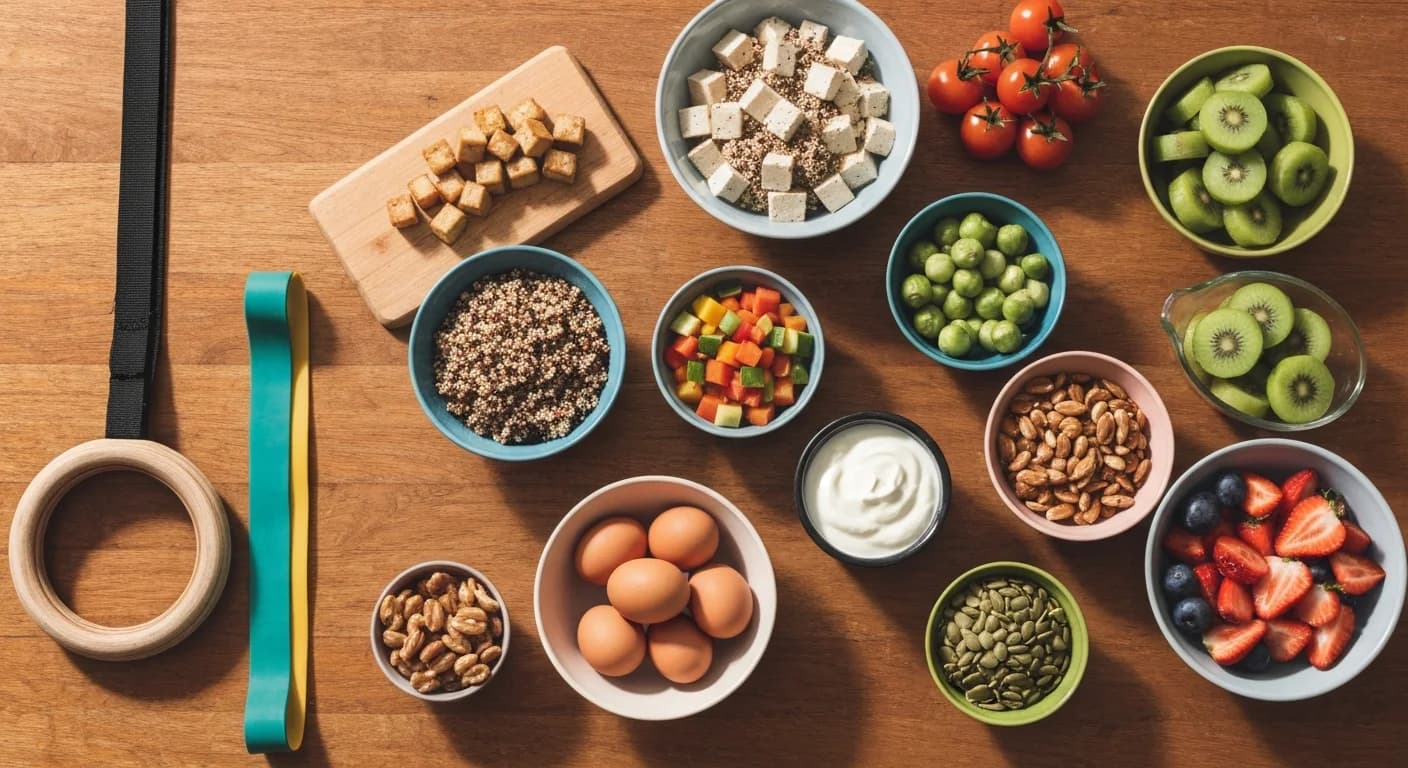
There is a persistent myth in the fitness world that you need meat to build serious muscle. That could not be further from the truth. Calisthenics for vegetarians is not only viable — it is a powerful combination that can deliver impressive strength and physique results when nutrition is dialed in correctly.
Whether you have been plant-based for years or are just considering reducing your meat intake, this guide will show you exactly how to fuel your bodyweight training for maximum muscle growth.
Why Calisthenics for Vegetarians Is a Perfect Match
Calisthenics demands relative strength — your ability to move your own body through space. Unlike heavy barbell training where absolute mass can help, bodyweight athletes benefit from a lean, muscular physique with excellent strength-to-weight ratios.
A well-planned vegetarian diet naturally supports this goal. Plant-based meals tend to be rich in micronutrients, antioxidants, and fiber while being lower in saturated fat. This combination promotes recovery, reduces inflammation, and helps maintain the lean body composition that makes skills like muscle-ups and handstands more achievable.
If you are wondering whether bodyweight training alone can deliver results, our guide on how to build muscle with calisthenics breaks down the science behind hypertrophy without weights.
Essential Protein Sources for Vegetarian Calisthenics Athletes
Protein is the biggest concern for most vegetarian athletes, but hitting your targets is straightforward once you know your options. Aim for 1.6 to 2.2 grams of protein per kilogram of body weight daily for muscle growth.
Complete Protein Sources
These foods contain all nine essential amino acids:
- Eggs — 6g protein per egg, highly bioavailable
- Greek yogurt — 15-20g per serving, plus probiotics
- Cottage cheese — 14g per half cup
- Quinoa — 8g per cooked cup
- Soy products (tofu, tempeh, edamame) — 15-20g per serving
- Hemp seeds — 10g per 3 tablespoons
Strategic Protein Combining
Many plant proteins are incomplete on their own, but combining them throughout the day creates a complete amino acid profile:
- Rice + beans — a classic combination that covers all bases
- Whole grain bread + nut butter — convenient and calorie-dense
- Lentils + seeds — iron-rich and protein-packed
You do not need to combine proteins in the same meal. As long as you eat a variety of sources across the day, your body will handle the rest.
Meal Timing and Training Nutrition
When you eat matters almost as much as what you eat, especially for calisthenics for vegetarians looking to maximize performance and recovery.
Pre-Workout (60-90 Minutes Before)
Focus on easily digestible carbohydrates with moderate protein:
- Oatmeal with banana and a scoop of whey or plant protein
- Whole grain toast with almond butter and honey
- Greek yogurt with berries and granola
Post-Workout (Within 60 Minutes)
Prioritize protein and fast-digesting carbs to kickstart recovery:
- Protein smoothie with banana, spinach, and milk of choice
- Tofu stir-fry with rice
- Cottage cheese with fruit and a drizzle of honey
For a complete daily eating framework, check out our 30-day calisthenics diet plan that you can easily adapt to vegetarian eating.
Sample Daily Meal Plan for Vegetarian Calisthenics Athletes
Here is a sample day providing approximately 2,400 calories and 140g of protein, suitable for a 75kg athlete focused on muscle growth:
Breakfast: Three-egg omelet with spinach, feta cheese, and whole grain toast (35g protein)
Mid-Morning Snack: Greek yogurt with mixed nuts and hemp seeds (22g protein)
Lunch: Quinoa bowl with black beans, roasted vegetables, avocado, and tahini dressing (28g protein)
Pre-Workout: Banana with almond butter and a glass of milk (12g protein)
Post-Workout: Protein smoothie with whey protein, frozen berries, oats, and milk (30g protein)
Dinner: Tempeh stir-fry with brown rice, broccoli, and sesame seeds (25g protein)
Adjust portions up or down based on your goals. If you are pursuing body recomposition with calisthenics, you may want to keep calories closer to maintenance while keeping protein high.
Key Micronutrients Vegetarian Athletes Must Watch
Protein gets all the attention, but several micronutrients deserve careful consideration in a calisthenics for vegetarians nutrition plan:
Iron
Plant-based iron (non-heme) is less bioavailable than meat-based iron. Boost absorption by pairing iron-rich foods like lentils, spinach, and fortified cereals with vitamin C sources such as bell peppers or citrus.
Vitamin B12
Essential for energy metabolism and nervous system function. Lacto-ovo vegetarians can get B12 from eggs and dairy, but supplementation is wise if intake is inconsistent.
Zinc
Critical for testosterone production and muscle repair. Good vegetarian sources include pumpkin seeds, chickpeas, cashews, and fortified cereals.
Creatine
Vegetarians typically have lower baseline creatine stores since creatine is found primarily in meat. Supplementing with 3-5g of creatine monohydrate daily can meaningfully improve strength and power output in bodyweight training.
Progressive Overload Still Drives Results
No nutrition plan will build muscle without proper training stimulus. The principle of progressive overload in calisthenics remains essential — consistently increasing difficulty through harder progressions, added volume, or reduced rest periods.
Your vegetarian diet provides the raw materials. Your training provides the signal. Both must be optimized.
Common Mistakes to Avoid
Relying too heavily on processed meat alternatives. While convenient, many vegetarian burgers and sausages are high in sodium and low in micronutrients. Use them occasionally, not as staples.
Under-eating calories. Plant foods are generally less calorie-dense than meat. If you are trying to gain muscle, you may need to eat larger portions or add calorie-dense foods like nuts, seeds, avocado, and olive oil.
Ignoring leucine. This amino acid is the primary trigger for muscle protein synthesis. Dairy, soy, and eggs are strong leucine sources. If you rely heavily on grains and legumes, consider a leucine-rich protein supplement.
Take Your Knowledge Further
Calisthenics for vegetarians is not about limitation — it is about strategic nutrition that supports bodyweight performance. With the right protein sources, smart meal timing, and attention to key micronutrients, vegetarian athletes can build just as much muscle and strength as their meat-eating counterparts.
If you are also exploring a fully plant-based approach, our vegan meal plan for calisthenics provides a comprehensive framework you can use alongside this guide.
Ready to deepen your understanding of nutrition for athletic performance? Our Vegan Nutrition Sports Coach Certification covers plant-based sports nutrition in depth, giving you the credentials and knowledge to coach others — or simply optimize your own training results.