

Pelvic Floor Exercises: A Complete Guide to Strengthening Your Foundation
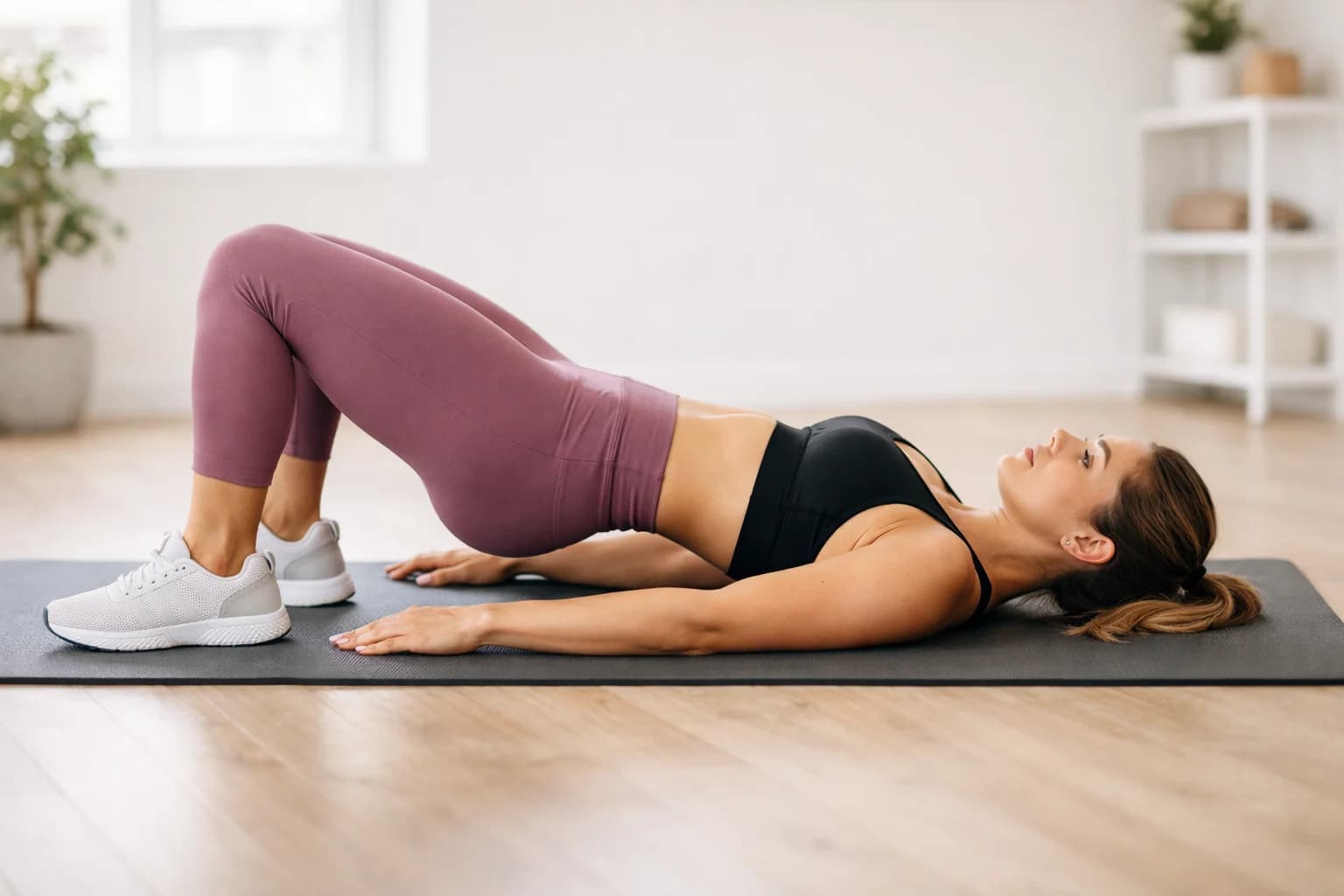
The pelvic floor is one of the most overlooked yet essential muscle groups in the human body. Often neglected in fitness routines, these muscles form the foundation of your core and play critical roles in bladder and bowel control, spinal stability, and overall physical wellness.
Whether you're a calisthenics athlete looking to improve core strength, someone experiencing pelvic floor dysfunction, or simply wanting to maintain optimal health as you age, understanding and training these muscles is essential.
Understanding the Pelvic Floor: Anatomy and Function
What Is the Pelvic Floor?
The pelvic floor is a group of muscles, ligaments, and connective tissues that span the bottom of the pelvis, forming a supportive hammock-like structure. These muscles attach from the pubic bone at the front to the tailbone (coccyx) at the back, and to the sitting bones (ischial tuberosities) on each side.
The primary muscles of the pelvic floor include:
- Levator ani complex: The largest muscle group, consisting of the pubococcygeus, puborectalis, and iliococcygeus muscles
- Coccygeus: Supports the coccyx and assists the levator ani
- External and internal sphincters: Control urinary and bowel functions
- Deep transverse perineal muscle: Provides additional support
Key Functions of the Pelvic Floor
- Support: Holds pelvic organs (bladder, rectum, and reproductive organs) in their proper position
- Sphincteric control: Maintains continence by controlling the urethral and anal sphincters
- Stabilization: Works with the deep core muscles (transverse abdominis, multifidus, diaphragm) to stabilize the spine and pelvis
- Postural support: Contributes to upright posture and efficient movement
- Circulatory assistance: Helps with blood and lymphatic flow in the pelvic region
Want to understand the complete anatomy? Our free Anatomy Course provides detailed lessons on pelvic structure and function, helping you understand why these muscles matter for overall health.
Signs of Pelvic Floor Dysfunction
Pelvic floor dysfunction can manifest as either weakness (hypotonic) or excessive tension (hypertonic). Both conditions require attention and appropriate intervention.
Signs of a Weak Pelvic Floor
- Urinary incontinence (leakage when coughing, sneezing, laughing, or exercising)
- Frequent urination or urgency
- Difficulty fully emptying the bladder
- Lower back pain without clear cause
- Pelvic organ prolapse symptoms (feeling of heaviness or bulging)
- Reduced core stability during exercise
Signs of an Overactive Pelvic Floor
- Difficulty initiating urination
- Incomplete bladder or bowel emptying
- Pelvic pain or discomfort
- Pain during sitting for extended periods
- Hip, lower back, or tailbone pain
- Muscle tension that doesn't release
Who Is at Risk?
Pelvic floor dysfunction can affect anyone, but certain factors increase risk:
- Pregnancy and childbirth: Significant stress on pelvic floor muscles
- Aging: Natural muscle weakening over time
- Chronic constipation: Repeated straining damages muscles
- Chronic coughing: Increases intra-abdominal pressure
- High-impact activities: Running, jumping without proper core engagement
- Heavy lifting with poor technique: Bearing down instead of bracing
- Obesity: Increased pressure on pelvic structures
- Prostate conditions in men: Can affect pelvic floor function
- Pelvic surgery or radiation: May damage muscle tissue
The Connection Between Pelvic Floor and Core Stability
The pelvic floor doesn't work in isolation—it's an integral part of what exercise physiologists call the "inner core unit" or "core canister."
The Core Canister Concept
Your deep core functions like a pressurized canister:
- Top: Diaphragm
- Bottom: Pelvic floor
- Front: Transverse abdominis
- Back: Multifidus and lumbar extensors
These four muscle groups work together to create intra-abdominal pressure that stabilizes the spine during movement and load-bearing activities. If any component is weak or dysfunctional, the entire system is compromised.
Why Athletes Should Care
For calisthenics athletes and fitness enthusiasts, a strong pelvic floor means:
- Better force transfer: Power from lower body moves efficiently through the core
- Improved stability: Essential for advanced skills like levers, handstands, and planches
- Reduced injury risk: Proper pressure management protects the spine
- Enhanced breathing: Coordinated diaphragm and pelvic floor function
- Greater endurance: Efficient core function reduces fatigue
Pelvic Floor Exercises: A Progressive Approach
Finding Your Pelvic Floor Muscles
Before training these muscles, you must first learn to identify and isolate them:
For everyone: Imagine you're trying to stop the flow of urine midstream or hold back gas. The muscles you engage are your pelvic floor. However, don't regularly practice stopping urination, as this can cause bladder issues—use this only as an initial awareness technique.
Another cue: Imagine drawing your sitting bones together and lifting them slightly upward, while simultaneously drawing the front and back of the pelvis together.
Basic Pelvic Floor Exercises (Kegel Exercises)
Developed by Dr. Arnold Kegel in the 1940s, these exercises remain the foundation of pelvic floor training.
Quick Contractions
- Contract your pelvic floor muscles quickly and fully
- Immediately release
- Repeat 10 times
- Rest 10 seconds
- Perform 3 sets
Purpose: Develops fast-twitch muscle fibers for quick responses (preventing leakage during sudden movements)
Sustained Contractions
- Contract your pelvic floor muscles at 50-75% effort
- Hold for 5-10 seconds while breathing normally
- Fully relax for 10 seconds
- Repeat 10 times
- Perform 2-3 sets
Purpose: Builds endurance in slow-twitch fibers for sustained support
Elevator Exercise
- Imagine your pelvic floor as an elevator
- Contract slightly (floor 1), then more (floor 2), then fully (floor 3)
- Hold at each "floor" for 2-3 seconds
- Slowly descend: floor 2, floor 1, fully relaxed (basement)
- Repeat 5 times
Purpose: Develops control and awareness at different contraction intensities
Intermediate Exercises: Integration with Movement
Once basic contractions are mastered, integrate pelvic floor activation with functional movements.
Diaphragmatic Breathing with Pelvic Floor Coordination
- Lie on your back with knees bent
- Inhale deeply, allowing belly and ribcage to expand—pelvic floor naturally relaxes and descends
- Exhale slowly while gently engaging pelvic floor—it should lift slightly
- Continue for 2-3 minutes, focusing on coordination
Purpose: Develops the natural rhythm between breathing and pelvic floor function
Bridge with Pelvic Floor Engagement
- Lie on your back with knees bent, feet flat
- Exhale, engage pelvic floor and glutes
- Lift hips into a bridge position
- Hold for 5 seconds while maintaining pelvic floor engagement
- Inhale as you lower down, relaxing pelvic floor
- Repeat 10-12 times
Purpose: Integrates pelvic floor with hip extension and glute activation
Dead Bug with Pelvic Floor Focus
- Lie on your back with arms extended toward ceiling, knees at 90 degrees
- Engage pelvic floor and flatten lower back against floor
- Slowly extend opposite arm overhead and leg toward floor
- Return and repeat on other side
- Maintain pelvic floor engagement throughout
- Perform 8-10 reps per side
Purpose: Challenges pelvic floor to maintain stability during limb movement
Bird Dog with Core Integration
- Start on hands and knees in tabletop position
- Engage pelvic floor and deep core
- Extend opposite arm and leg while maintaining neutral spine
- Hold 3-5 seconds, return with control
- Alternate sides for 8-10 reps each
Purpose: Develops anti-rotation stability with pelvic floor coordination
Advanced Integration
Squats with Pelvic Floor Awareness
- Stand with feet shoulder-width apart
- Inhale as you descend, allowing pelvic floor to relax
- At bottom of squat, begin exhale
- As you rise, engage pelvic floor and exhale fully
- Avoid bearing down or holding breath
Purpose: Teaches proper pressure management during loaded movements
Plank with Pelvic Floor Engagement
- Hold a forearm or high plank position
- Consciously engage pelvic floor (gentle lift, not maximum contraction)
- Coordinate with breathing—slight increase in engagement on exhale
- Hold 20-60 seconds, maintaining awareness
Purpose: Integrates pelvic floor into full-body isometric holds
Common Mistakes to Avoid
1. Bearing Down Instead of Lifting
Many people push down when attempting to engage the pelvic floor. This increases pressure on these muscles rather than strengthening them. Focus on lifting and drawing inward.
2. Holding Your Breath
The pelvic floor works with the diaphragm. Holding breath while contracting creates excessive pressure. Always breathe normally during exercises.
3. Overtraining
Like any muscle group, the pelvic floor needs recovery. Don't perform Kegels constantly throughout the day. Structured sessions 2-3 times daily are sufficient.
4. Only Contracting, Never Relaxing
Full relaxation between contractions is essential. A muscle that can't relax is dysfunctional. The release phase is as important as the contraction.
5. Gripping Surrounding Muscles
Avoid squeezing glutes, inner thighs, or abs during isolated pelvic floor work. These can mask pelvic floor weakness and prevent proper training.
6. Ignoring Alignment
Poor posture affects pelvic floor function. Excessive anterior pelvic tilt or tucked tailbone changes muscle length and function. Maintain neutral spine during exercises.
Health Benefits Beyond Continence
Core Strength and Athletic Performance
A well-functioning pelvic floor is essential for transmitting force through the body. Athletes with strong pelvic floors demonstrate:
- Greater trunk stability during explosive movements
- Improved balance and proprioception
- More efficient breathing patterns during high-intensity exercise
- Reduced risk of sports hernias and groin injuries
Spinal Health and Posture
The pelvic floor's connection to the deep core means it directly influences spinal stability. Proper function helps:
- Reduce chronic lower back pain
- Improve posture and alignment
- Decrease risk of disc herniation during lifting
- Support recovery from spinal injuries
Healthy Aging
Maintaining pelvic floor strength throughout life supports:
- Continued independence and mobility
- Reduced fall risk through better balance
- Maintained quality of life
- Prevention of common age-related issues
Pregnancy and Postpartum Recovery
For those who experience pregnancy:
- Strong pelvic floor pre-pregnancy supports the growing baby
- Proper training can aid in delivery
- Postpartum exercises accelerate recovery
- Reduces risk of long-term dysfunction
Deepen your understanding: Our Kinesiology Course covers biomechanics and functional movement patterns, explaining how the pelvic floor integrates with the entire kinetic chain for optimal performance.
Creating Your Pelvic Floor Training Program
Beginner Protocol (Weeks 1-4)
Daily practice, 2-3 sessions:
- 10 quick contractions (1 second each)
- 10 sustained contractions (5 second hold, 10 second rest)
- 5 elevator exercises
- 2 minutes diaphragmatic breathing with coordination
Intermediate Protocol (Weeks 5-8)
Daily practice, 2 sessions:
- Basic Kegel series (reduced volume)
- 10 bridges with pelvic floor engagement
- 10 dead bugs per side
- 10 bird dogs per side
Advanced Protocol (Weeks 9+)
3-4 times per week, integrated with training:
- Warm-up: Diaphragmatic breathing (1 minute)
- Squats with breath/pelvic floor coordination
- Planks with conscious engagement
- Any calisthenics skill work with pelvic floor awareness
- Cool-down: Pelvic floor relaxation breathing
When to Seek Professional Help
While these exercises are safe for most people, consult a healthcare provider or pelvic floor physical therapist if you experience:
- Persistent pain in the pelvic region
- Significant incontinence that doesn't improve with exercise
- Pain during exercises
- Signs of pelvic organ prolapse
- Post-surgical or post-partum complications
- Difficulty identifying or contracting pelvic floor muscles
Pelvic floor physical therapists can provide internal assessment and biofeedback training for more targeted intervention.
Conclusion
The pelvic floor is the foundation of your core—literally and functionally. These often-neglected muscles support your organs, control essential bodily functions, stabilize your spine, and contribute to athletic performance.
Whether you're a calisthenics athlete seeking better core integration, someone addressing pelvic floor dysfunction, or simply investing in long-term health, consistent training of these muscles pays dividends.
Start with the basics, progress systematically, and integrate pelvic floor awareness into your regular training. Your body—from your lower back to your athletic performance—will thank you.
Key Takeaways
- The pelvic floor is part of the "core canister" and essential for spinal stability
- Both weakness and excessive tension can cause dysfunction
- Proper technique involves lifting and drawing inward, not bearing down
- Coordinate pelvic floor activation with breathing
- Progress from isolation exercises to integrated functional movements
- Consistency matters more than intensity
- Seek professional help if experiencing pain or persistent symptoms
Ready to build a stronger foundation? Explore our free Anatomy and Kinesiology courses to understand how all your body's systems work together for optimal movement and health.